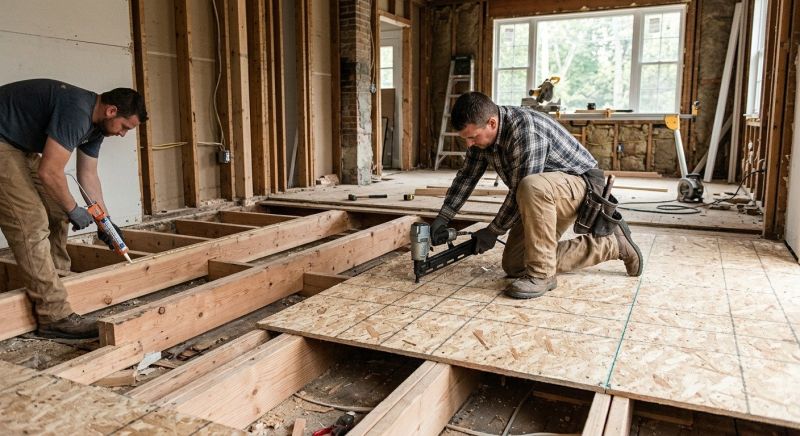
Subfloor Replacement in Wilmington, NC
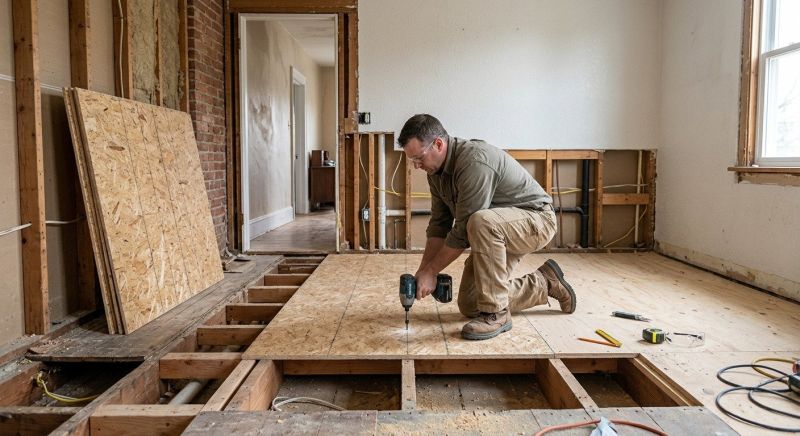
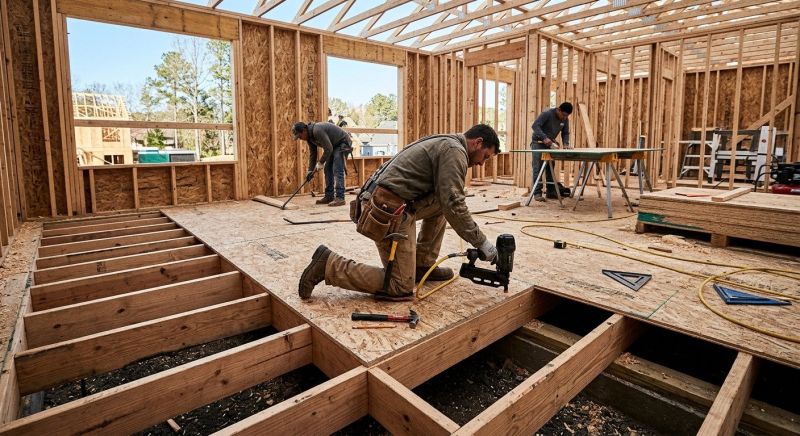
Subfloor replacement services involve removing and replacing the underlying layer of material beneath a building’s finished flooring. This service is often requested in projects where the existing subfloor has suffered damage from water, rot, mold, or structural issues. Property owners typically seek subfloor replacement when preparing for new flooring installation or addressing ongoing problems that compromise the stability and safety of a home’s floors. It’s important to understand the extent of damage, the type of subfloor material, and any underlying issues that may need attention before proceeding with replacement.
Before requesting subfloor replacement, homeowners should evaluate the condition of the current subfloor and consider whether repairs are sufficient or if full replacement is necessary. Questions about the scope of work, the compatibility of new materials with existing flooring, and the potential impact on the overall structure are common concerns. Proper assessment and planning can ensure that the replacement process restores the integrity of the flooring system and supports long-term durability.
Many property owners in Wilmington, NC look into Subfloor Replacement for repairs, replacements, upgrades, and appearance-related improvements.
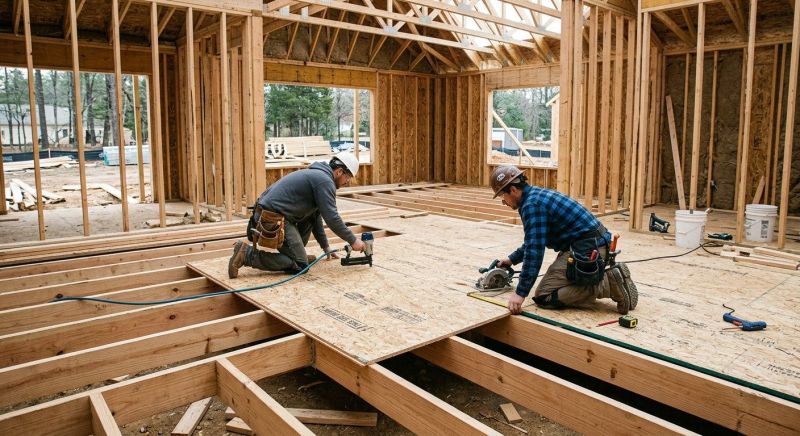
Benefits Of Subfloor Replacement
Replacing damaged subfloors can improve the stability and safety of your flooring.
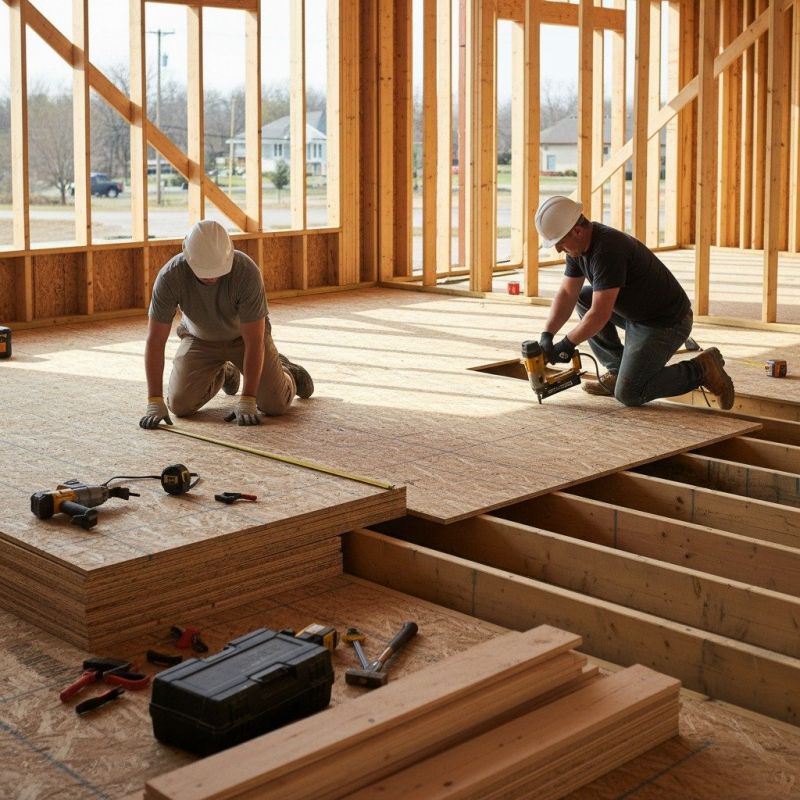
Signs You Need A Subfloor Update
Visible sagging, uneven surfaces, or persistent squeaks may indicate a need for subfloor replacement.
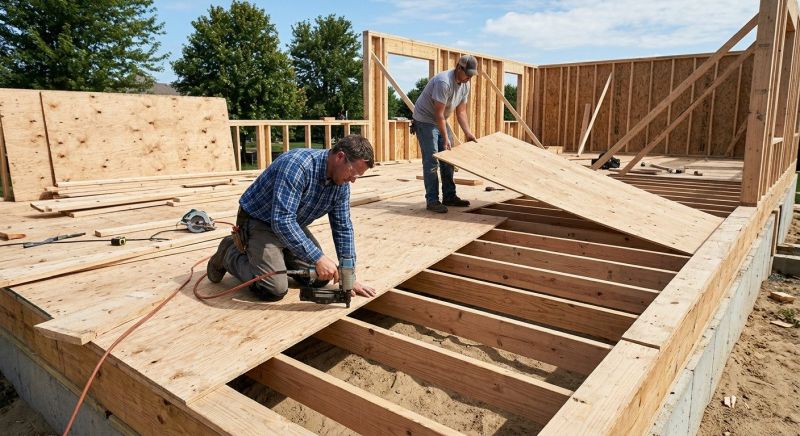
Common Projects For Subfloor Replacement
Subfloor replacement is often required during home renovations, water damage repairs, or foundation upgrades in wilmington, nc.
Subfloor Replacement in Wilmington, NC

Subfloor replacement services involve removing and replacing the underlying layer of material beneath a building’s finished flooring. This service is often requested in projects where the existing subfloor has suffered damage from water, rot, mold, or structural issues. Property owners typically seek subfloor replacement when preparing for new flooring installation or addressing ongoing problems that compromise the stability and safety of a home’s floors. It’s important to understand the extent of damage, the type of subfloor material, and any underlying issues that may need attention before proceeding with replacement.
Before requesting subfloor replacement, homeowners should evaluate the condition of the current subfloor and consider whether repairs are sufficient or if full replacement is necessary. Questions about the scope of work, the compatibility of new materials with existing flooring, and the potential impact on the overall structure are common concerns. Proper assessment and planning can ensure that the replacement process restores the integrity of the flooring system and supports long-term durability.
Many property owners in Wilmington, NC look into Subfloor Replacement for repairs, replacements, upgrades, and appearance-related improvements.
Common Subfloor Replacement Jobs
Subfloor Replacement - involves removing damaged or rotted subflooring to ensure a stable foundation.
Water Damage Repair - replaces subfloor sections affected by leaks, flooding, or high humidity.
Floor Leveling - restores a flat surface to prevent uneven flooring and improve safety.
Mold and Mildew Removal - replaces compromised subfloor areas to eliminate health hazards.
Structural Reinforcement - strengthens weakened subflooring to support new flooring and furniture.
Pest Damage Restoration - replaces infested subfloor sections to prevent further property issues.
Subfloor Replacement Questions
What signs indicate subfloor replacement is needed? Signs include sagging flooring, noticeable unevenness, or persistent creaking and squeaking sounds.
What types of flooring projects require subfloor replacement? Subfloor replacement is common when installing new hardwood, laminate, or tile flooring over damaged or rotted substructures.
How does subfloor damage affect a property? Damaged subfloors can lead to uneven surfaces, increased noise, and potential structural issues if not addressed.
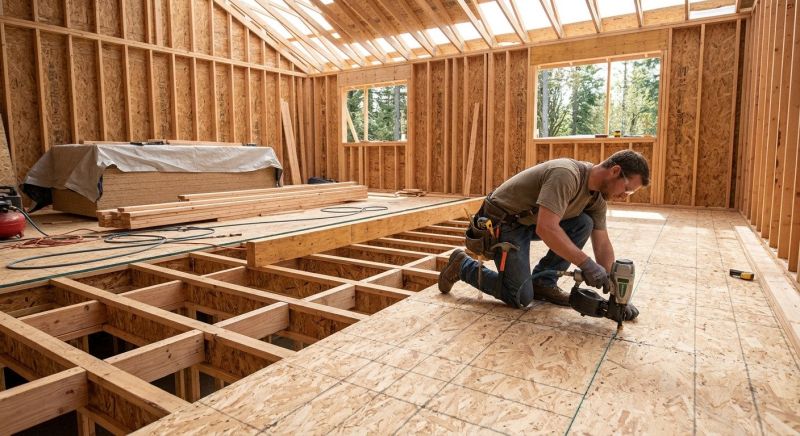
What materials are used for subfloor replacement? Common materials include plywood, oriented strand board (OSB), and other engineered panels suitable for supporting flooring layers.
Request Subfloor Replacement in Wilmington, NC
Use the quote form on this page to share the basics of your project and request more information for the type of work you need.